Voice Cloning for Creators: Opportunities & Best Practices
By Vladislav Polskoy
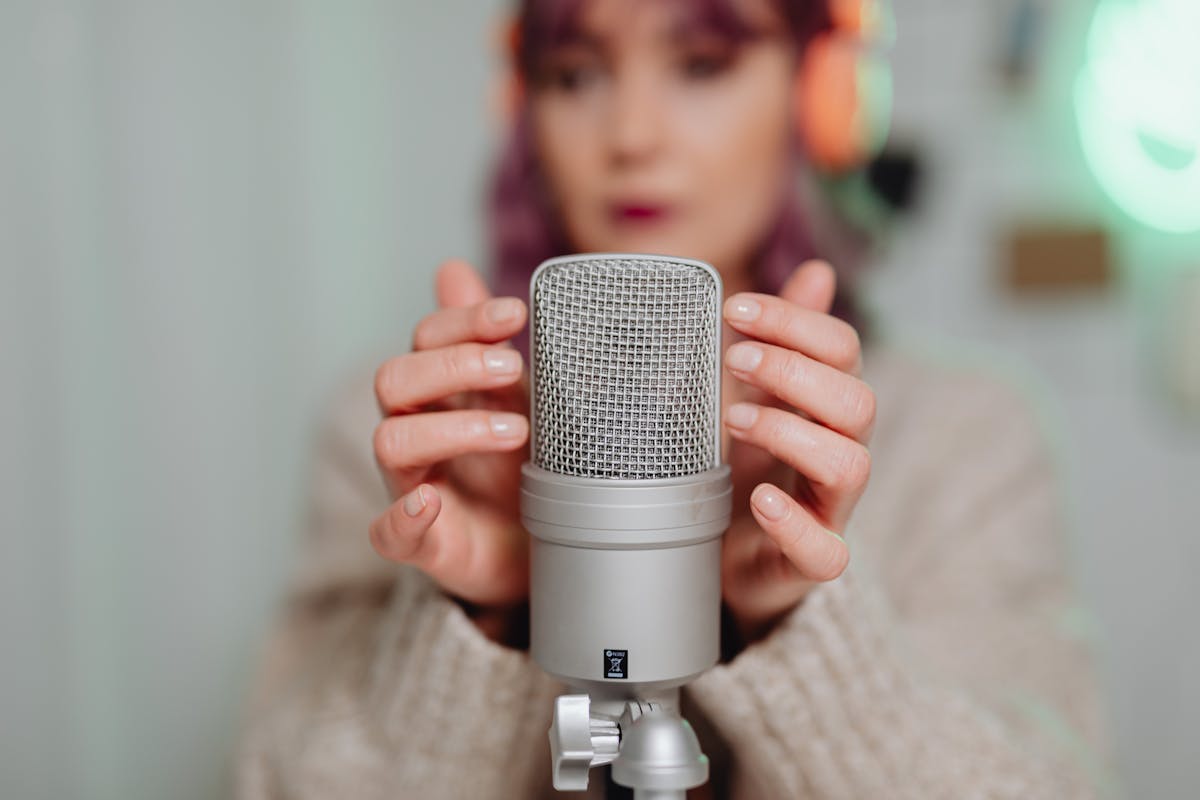
The Rise of Voice Cloning: A Creator's Opportunity
Voice cloning, once the stuff of science fiction, is rapidly becoming a powerful tool for content creators. Fueled by advancements in AI and machine learning, voice cloning allows you to replicate a voice – your own or someone else's (with appropriate permissions, of course!) – and use it for a variety of applications, from narrating videos to creating interactive experiences. The market is exploding; estimates suggest the voice cloning market will reach nearly $3 billion by 2030, representing a compound annual growth rate (CAGR) of over 25%.
For creators, this technology unlocks unprecedented levels of efficiency and creative control. Imagine needing to update a video but being unable to re-record your original voiceover. Or consider the possibility of creating multilingual content without having to learn new languages. With voice cloning, these scenarios become easily achievable.
However, with great power comes great responsibility. Understanding the ethical considerations and best practices surrounding voice cloning is crucial for any creator looking to leverage this technology.
Unlocking Creative Potential: Use Cases for Voice Cloning
Voice cloning isn't just a novelty; it's a practical solution for a wide range of creative challenges. Here are just a few examples:
Video Narration: Create voiceovers for your videos without needing to re-record every time you make a change. Imagine effortlessly updating product demos or tutorials.
Accessibility: Generate audio descriptions for visual content, making your work more accessible to people with visual impairments.
Multilingual Content: Translate your scripts and then use a cloned voice to deliver the narration in different languages, expanding your audience reach. CreatorAI offers impressive translation capabilities that seamlessly integrate with voice cloning.
Interactive Experiences: Develop engaging interactive content, such as video games or virtual assistants, with personalized voice interactions.
Character Creation: Give unique voices to fictional characters in animations, audio dramas, or other storytelling formats.
Ethical Considerations
Before diving into voice cloning, it's essential to address the ethical implications. Deepfakes and unauthorized use of voices can have serious consequences. Always prioritize transparency and obtain explicit consent when cloning someone else's voice. Be clear about the use of AI-generated voices in your content to maintain trust with your audience. Many platforms, including CreatorAI, are actively implementing measures to prevent misuse and promote responsible AI practices.
Choosing the Right Voice Cloning Tool: A Comparison
Several voice cloning tools are available, each with its strengths and weaknesses. The best choice for you will depend on your specific needs and budget. Here's a comparison of a few popular options:
Tool
Pros
Cons
Pricing
Resemble AI
High-quality cloning, extensive features, API access.
Relatively expensive, steeper learning curve.
Starting at $30/month.
Murf AI
User-friendly interface, good selection of pre-made voices.
Voice cloning quality can vary, fewer advanced features.
Starting at $19/month.
ElevenLabs
Generates highly realistic and expressive voices, quick cloning process.
Limited free tier, some ethical concerns around deepfakes.
Starting at $5/month.
CreatorAI
Offers text to speech functionality with a growing library of AI voices, easy integration into video creation workflow, cost-effective solution for simple voiceovers
Focuses primarily on pre-made voices, voice cloning currently limited.
Part of the overall video creation subscription, see pricing.
Best Practices for Voice Cloning
To ensure you're getting the most out of voice cloning and using it responsibly, follow these best practices:
High-Quality Training Data: The better the audio you use to train the AI, the more realistic the cloned voice will be. Aim for recordings with minimal background noise and clear pronunciation. Most services recommend at least 30 minutes of audio.
Script Refinement: Review your script carefully to ensure it flows naturally and avoids awkward phrasing. The AI will only be as good as the input you provide.
Experiment with Styles: Explore different voice styles and tones to find the perfect match for your content. Many tools allow you to adjust parameters like pitch, speed, and emotion.
Transparency is Key: Always disclose when you're using an AI-generated voice. This builds trust with your audience and avoids any potential misunderstandings. For instance: "This voiceover was created using AI technology."
Regularly Update Your Model: Voice cloning technology is constantly evolving. Periodically update your voice model with new recordings to improve its accuracy and realism.
Key Takeaways
Voice cloning is a powerful tool for creators, offering efficiency and creative control.
Ethical considerations are paramount; always prioritize transparency and obtain consent.
Choose the right tool based on your specific needs and budget.
High-quality training data and script refinement are crucial for realistic results.
Voice cloning tools are improving rapidly. Keep experimenting and stay informed!